NETSUITE AND ERP TESTING FOR RETAILERS
Independent NetSuite testing
Your implementation partner builds it. We make sure it works for how you trade.
Independent NetSuite testing checks your system against how you actually trade, not just against the spec. Whether you're mid-implementation or facing Oracle's next release, we find the problems before your customers, stores and finance team do. We do the same for other ERP platforms too.
PROOF
NetSuite testing results
What our independent testing has delivered for retailers:
THE SHORT ANSWER
What is independent NetSuite testing?
Independent NetSuite testing is quality assurance carried out by a team outside the build, checking that NetSuite works end to end for the way your business trades.
Your implementation partner tests that what they built matches what was specified.
That matters, but it isn't the same as knowing your orders, stock, stores and month-end will all work on day one.
An independent team tests the joins: integrations with POS, warehouse and ecommerce, migrated data, and the real processes your people run.
That's where go-lives and upgrades can go wrong.
THE CORE OBJECTION
Why implementation partner testing isn't enough
Your partner's testing matters and it's in your statement of work. It covers the build but two things sit outside it.
THE GAP
Your partner tests what was specified
Your implementation partner checks that the build matches the design. Requirements that were missed, misunderstood or never written down still pass every one of those tests.
WHAT WE DO
We test how you actually trade
We check NetSuite works across the integrations, data and processes that sit outside your partner's scope. We work alongside them, and we report to you.
THE PROBLEM
UAT lands on the people you can least spare
The same key people in finance, merchandising, supply chain and stores are already in design workshops, data cleansing and training, on top of running the business. Then UAT arrives.
WHAT WE DO
We get the build ready for real UAT
We make sure your key people receive a credible build, not one full of bugs. Our automated tests can also enter the transactions they need as prerequisite data. The fit-for-purpose testing stays with them, but they spend their time on that, not on finding defects.
Every NetSuite implementation timeline has the same pinch point: testing gets squeezed as go-live gets closer. We make sure your critical processes, such as orders, stock, fulfilment and finance, are tested end to end before cutover.
Your first NetSuite upgrade can land within months of go-live. The regression tests we build during the implementation are ready for it, so the first release isn't a cliff edge.
Integrations | Data migration | Warehouse | Inventory
Oracle updates NetSuite twice a year. Each release can break customisations, scripts and integrations, and the retesting lands on the same key people, often your finance team.
NetSuite sits at the heart of your retail tech stack, so its own releases are only part of the picture. Your ecommerce platform, warehouse system, payment providers and integration layer are SaaS too, each on its own release schedule.
Salesforce, for example, updates several times a year. Any change upstream or downstream needs a thorough end-to-end test to confirm everything still works together.
Twice-yearly releases | Customisations | Scripts | Integrations | Upstream and downstream changes | End-to-end testing
THE VALUE
What it's worth to your business
Get changes live while they still matter
Retail runs on trading windows. When regression takes weeks new promotions, channels and fixes wait in a queue, or miss peak altogether. Automated end-to-end testing cuts that wait from weeks to days.
Lovehoney: releases 75% faster
Decide on evidence, not gut feel
Every release is checked the same way, with results anyone can read. Go/no-go decisions are clear, release-to-release comparisons are easy, and you have the evidence when finance or audit ask.
Lower the cost of owning NetSuite
Your finance, merchandising and operations experts spend less time testing and more time closing the month, buying and trading. Problems are caught before go-live, when they cost least to fix.
Lovehoney: £1.2m saved
And it's all yours.
The scripts, the test framework and the reporting belong to you. When we finish, we hand everything back to your team.
TIME TO VALUE
How quickly will you see the benefit?
Faster than starting from scratch. We've been testing NetSuite for retailers for five years, so we start from a proven set of Spike-built frameworks, tooling and test patterns for the processes every retailer runs: order to cash, procure to pay, stock and month-end.
BY END OF MONTH ONE
1. Discover
We shape our frameworks to your configuration, customisations and integrations. Tooling is typically in place within the first couple of weeks.
EARLY RELEASES
2. Build
Your highest-risk journeys are automated first, so early releases benefit straight away.
WITHIN THREE MONTHS
3. Run
Most clients see a significant shift in regression effort within three months, with coverage growing every release.
NetSuite testing FAQs
-
Why isn't my implementation partner's testing enough?
Your implementation partner tests that the build matches the specification, and that matters. What it can't catch is anything the specification missed.
Independent testing checks that NetSuite works for how you actually trade, across every integration and process, and reports to you.
It also means your own teams start UAT with a build that's ready for it.
-
How does Spike work with my implementation partner?
Spike works alongside your implementation partner, not against them.
They build NetSuite and test it against the design; we test that it works end to end across your technology estate, and we report to you.
In practice, we agree scope with your partner early so testing isn't duplicated. They own build and system testing. We focus on end-to-end processes, integrations, data migration, UAT preparation and regression.
We work within your programme's governance, tooling and defect process, and share what we find openly with both you and your partner. The aim is fewer surprises at go-live, not more friction during the build.

-
Who owns the tests Spike builds for us?
You do. The scripts, the test framework and the reporting we build belong to you. When we finish, we hand everything back to your team, so you can keep running and extending the tests yourselves.
-
What is independent NetSuite testing?
Independent NetSuite testing is quality assurance carried out by a team outside the build.
It checks that NetSuite works end to end for your business, including integrations, migrated data and the processes your people run every day, so problems are found before go-live or before an upgrade reaches your users.
-
What should retailers test before a NetSuite go-live?
The places where retail breaks: orders flowing from your ecommerce site and stores into NetSuite, stock syncing with the warehouse or 3PL, returns, promotions and pricing, and finance at month-end.
Then test it all again at peak volumes, because a system that copes in March can fall over in November.
-
Where does testing fit in a NetSuite implementation timeline?
Testing should start early, not just in the weeks before go-live.
Plan it alongside the build, test integrations and data migration as each piece lands, and leave proper time for end-to-end testing and UAT.
When timelines slip, testing is usually what gets squeezed, and that's when problems reach live.
-
What needs testing when NetSuite upgrades?
Oracle releases two major NetSuite updates a year.
Each one can affect customisations, SuiteScripts, workflows, saved searches and third-party integrations.
Before each release reaches your live account, test your critical processes in the release preview: order to cash, stock, purchasing, finance reporting and anything customised for your business.
-
How do you test a NetSuite data migration?
Check the data before, during and after it moves.
Reconcile record counts and balances, sample records against the source system, then run real processes on the migrated data, such as placing orders, receiving stock and closing a period.
Data that looks right in a report can still break a process.
-
What does NetSuite UAT involve, and who should do it?
User acceptance testing checks that NetSuite supports the way your teams work. Business users have to do it, because only they can judge whether it's fit for purpose. What they shouldn't be handed is a build full of bugs.
An independent team makes sure the build is ready for UAT, and can use automated tests to set up the data users need.
-
Can NetSuite regression testing be automated?
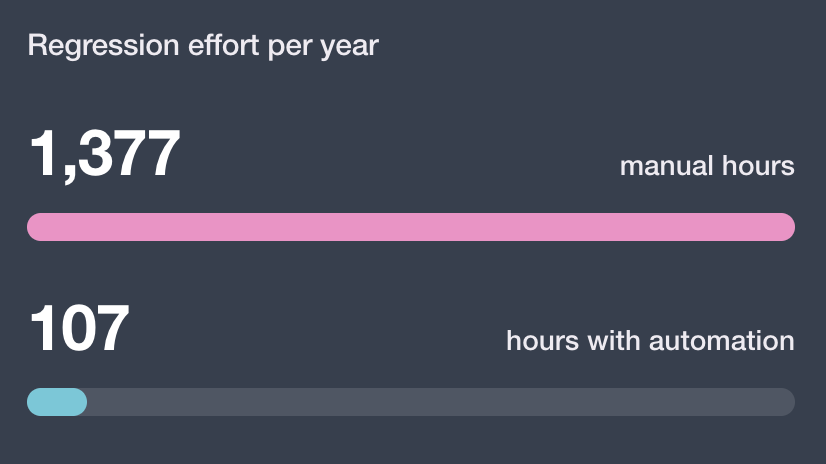
Yes, much of it. Automated tests can rerun your key processes every time NetSuite or an integration changes, which makes twice-yearly upgrades far quicker to check.
Automation works best for stable, repeatable processes; new features and judgement calls still need people. The aim is less manual effort, not zero.
See what automation could save you with our regression calculator.
-
Does this apply to other ERP platforms, not just NetSuite?
Yes. The same independent approach works for any ERP programme.
Spike has tested ERP and commerce platforms including NetSuite, Oracle Retail, Salesforce and MACH stacks, and the risks are similar across them: integrations, migrated data, business processes and the testing burden on your own teams.
Planning a NetSuite go-live or upgrade?
Talk to us about where your testing stands. No pitch, just an honest view of the risks.