



Cloud doesn't equal confidence: Two big traps to avoid with cloud in retail tech.
Cloud migration has become a badge of honour over the past decade. The uncomfortable truth: just because it’s cloud-based doesn’t mean it’s...
One of our client's key metrics is Customer Lifetime Value, so we are going to work our way through a few of the best techniques we see being utilised. We wanted to remind everyone it isn’t a passive metric. CLV development should be ever-evolving.
Our role is to support client’s with perfectly performing technology that supports the business and their ambitions for growth.
The core types of CLV activity:
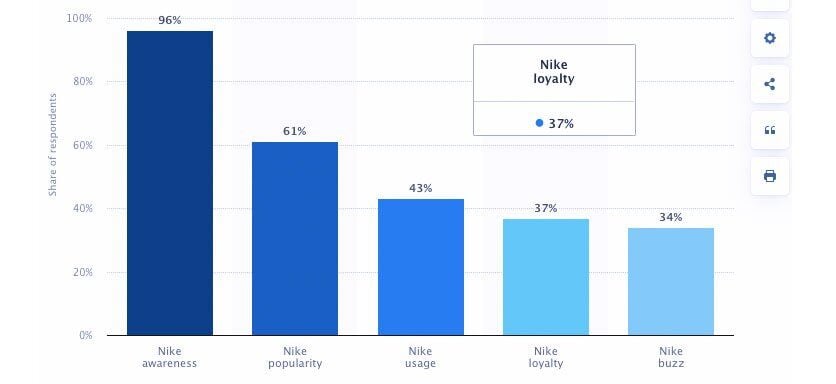
So in this blog we kick off with a look at Loyalty Programmes focused on two leading brands: Nike here, and H&M in our follow-up post.
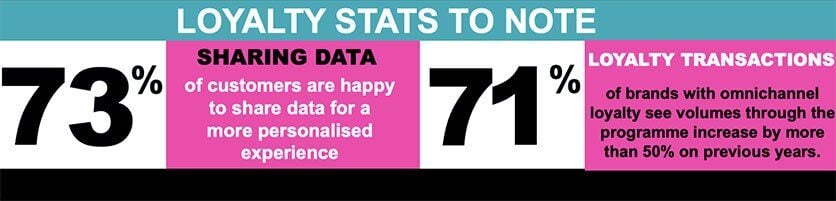
Customer loyalty programmes are great for significant levels of engagement with customers throughout their journey, which also provides our client’s with significant data.
It is crucial to note loyalty isn't just about CLV and growth of sales, it’s also the richest source of data a brand can build and allows for tech trial and innovation before large scale rollouts.
A Reminder of the 5 Revenues CLV needs to drive:
Nike already has more than 100 million members, who they say spend around three times more than regular customers on Nike.com. The company has said it plans to triple membership over the next five years.
Nike never waits for competitors to disrupt their business. They are constantly disrupting themselves, which is a great lesson for all retailers. Their loyalty programme is an example of this by constantly growing and trialling new initiatives, with an attitude of ‘fail fast’ and innovate. A practice we wholly support.
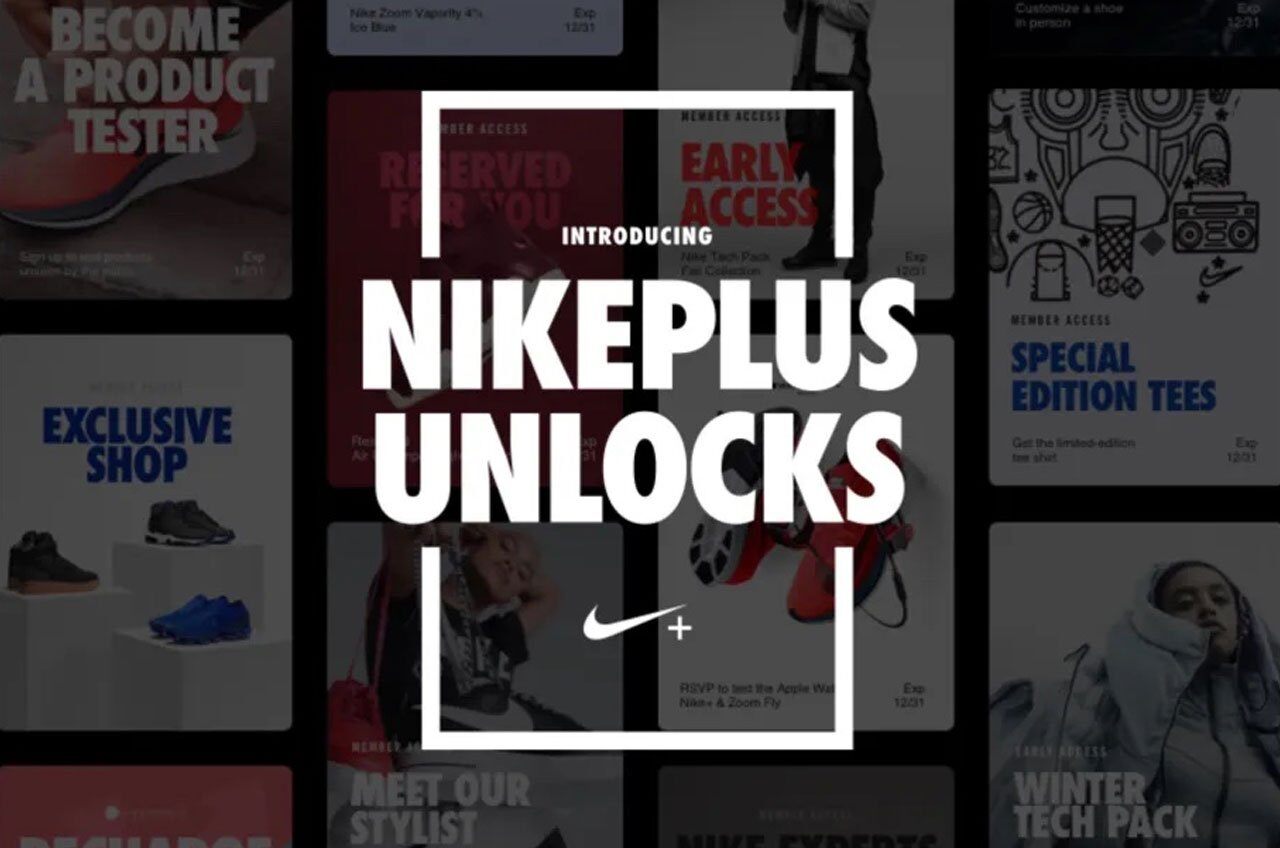
Nike customers may join any of the four programmes that sit under NikePlus, which include:
All that said, here’s our round-up of Nike’s loyalty scheme, NikePlus.
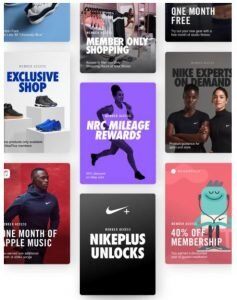
Nike describes its membership scheme as “a global community dedicated to bringing out the best in one another”. Here’s the list of what customers get:
Core benefits: Overall members can access customised footwear and football jerseys, special member offers and promotions, free shipping, and a 60-day wear-and-return policy with no receipt required…but also:
The AI has recommendation algorithms that find a customer's "perfect fit" for each Nike shoe style based simply on snaps the customer provides. A brilliant example of retailers using innovative AI tech to deliver to a crucial need.
The obvious challenge they address with this tech is to lessen the friction of ordering the right size, thereby dramatically reducing returns. One of the biggest profit loss sources.
The Good
The Bad


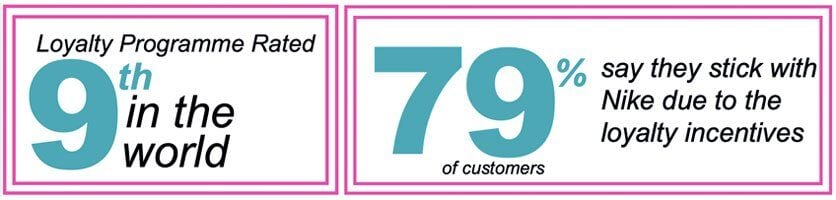
Now, although we don’t know what CLV Nike are currently calculating for the business, we do know this programme is a success and their continuing push for innovation is keeping them at the forefront.
Our role as part of the CLV challenge is to ensure the technology supporting the tactics does what it should. The secret to successful loyalty programmes is great thinking, with well-targeted benefits, supported by technology that does 100% what it should. But as part of this to also allow for growth and for a programme that will never stand still.
Our responsibility is to ensure retailers can run CLV tactics that are seamless. This means they are fast, error free, customer centric experiences that provide the internal teams with the clarity of reporting they need.
As part of this we are always cognisant of future growth and to remind our clients CLV never stays still. Allowing for more complex system needs are a part of growth, and we encourage planning to this with measured test and experimentation.
Sources: RetailWeek, Webmeridian, TheGrocer, Google, McKinsey, Retailwire, Forbes, Vogue, Statista, IRI data
Cloud migration has become a badge of honour over the past decade. The uncomfortable truth: just because it’s cloud-based doesn’t mean it’s...
Retail tech leaders on where AI risk really sits, why testing is falling behind build, and how to test in proportion to what matters.
Is Modern AI the new black box? What challenges do we need to overcome as we grapple with the new power from AI-based addons to our retail tech stack?